
Dosage Chart
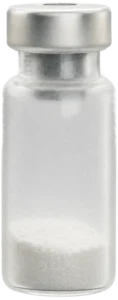
Graduated weekly subcutaneous dosing for the 10 mg vial, escalating every 4 weeks. [4]
| Phase | Weekly dose | Units (U-100) | Volume |
|---|---|---|---|
| Weeks 1–4 | 250 mcg | 7.5 u | 0.075 mL |
| Weeks 5–8 | 500 mcg | 15 u | 0.15 mL |
| Weeks 9–12 | 1,000 mcg | 30 u | 0.30 mL |
| Weeks 13–16 | 1,700 mcg | 51 u | 0.51 mL |
| Weeks 17+ (maintenance) | 2,400 mcg | 72 u | 0.72 mL |
Protocols run 16–20+ weeks with gradual escalation every 4 weeks until the maintenance dose is reached. [4] Oral semaglutide (Rybelsus) is a distinct daily formulation with its own administration requirements and is not covered by this injectable vial protocol. [1]
Reconstitution
10 mg vial, mixed to a working concentration before drawing a dose.
Add 3.0 mL of bacteriostatic water to the 10 mg vial to yield a final concentration of approximately 3.33 mg/mL. Inject the water slowly down the vial wall to minimize foaming; avoid shaking, and gently swirl or roll the vial until fully dissolved. [4]
Store the lyophilized vial at −20 °C. Once reconstituted, store at 2–8 °C, protected from light, and use within 28 days. [4]
How It Works
Semaglutide is a synthetic GLP-1 receptor agonist containing 31 amino acids, with molecular modifications at position 8 and a C18 fatty-diacid attached at position 26 that binds albumin. This albumin-binding modification extends the half-life to approximately 160 hours, enabling once-weekly dosing. [5][2]
In the STEP-HFpEF trial, 529 patients with heart failure with preserved ejection fraction and obesity received once-weekly semaglutide (2.4 mg) or placebo over 52 weeks; semaglutide produced larger reductions in symptoms and physical limitations, plus greater improvements in exercise function. It also produced greater weight loss, with serious adverse events reported in 13.3% of the semaglutide group versus 26.7% of the placebo group. [3] Semaglutide's clinical development spans the SUSTAIN program (diabetes) and STEP program (obesity) through Phase I–III trials, with post-marketing surveillance continuing through 2025. [2]
Semaglutide carries a boxed warning for thyroid C-cell tumors and is contraindicated in patients with a personal or family history of medullary thyroid carcinoma or Multiple Endocrine Neoplasia syndrome type 2. [1] Common adverse effects include nausea, vomiting, diarrhea, and constipation; serious risks include acute pancreatitis, gallbladder disease, and acute kidney injury. [1] This section describes what the cited literature reports; it is not a claim of safety or effectiveness beyond the approved indications.
References
[1] Semaglutide overview · PeptideDosages
[2] Semaglutide from Bench to Bedside · Weiskirchen & Lonardo, 2025, PMID 41283266
[3] Semaglutide in Patients With Heart Failure With Preserved Ejection Fraction and Obesity · STEP-HFpEF, NEJM, 2023, PMID 37622681
[4] Semaglutide 10 mg vial dosage protocol · PeptideDosages