Guides · Reconstitution
Guide

Reconstitution Guide

The general technique for mixing a lyophilized peptide with bacteriostatic water: surface prep, drawing the diluent, inspecting the result.

6 min readEducational use only
What you'll need

Supplies

Four things on the table before you start, nothing more.
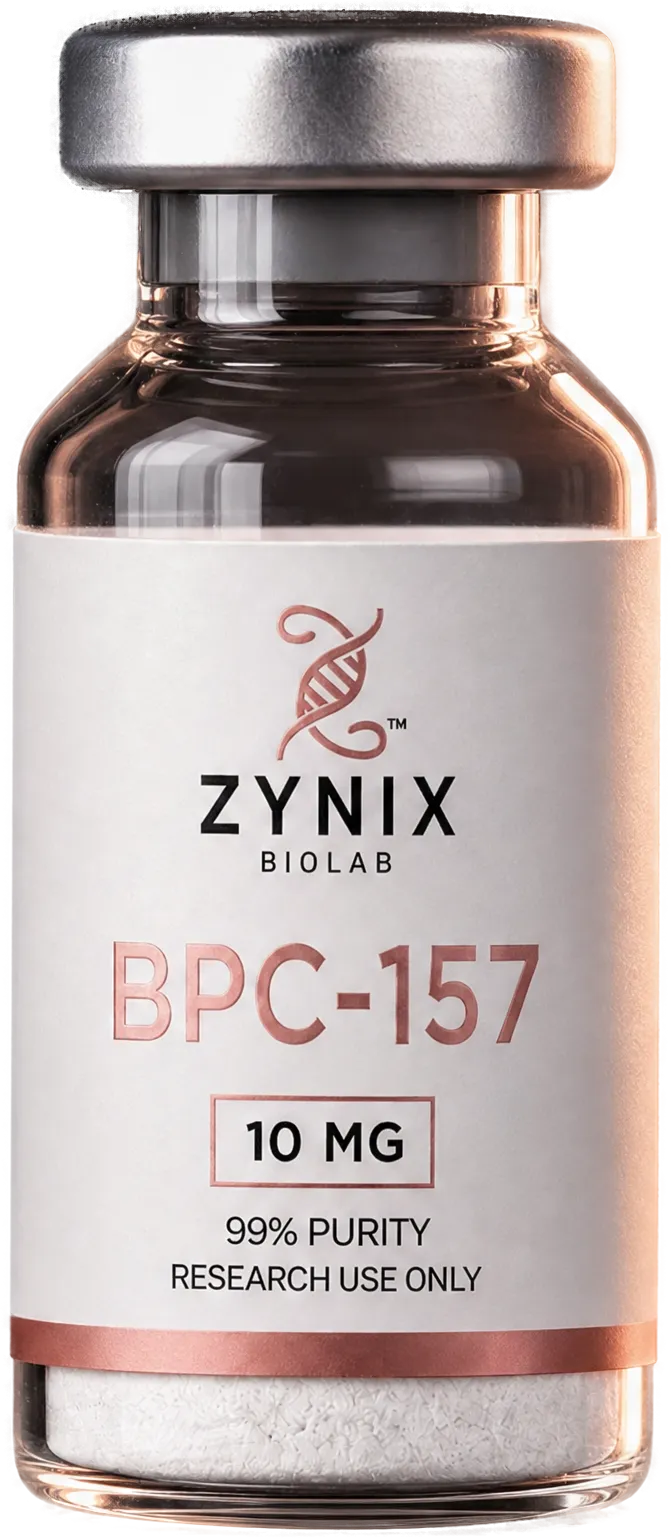
Peptide vial
Vial
Peptide Vial
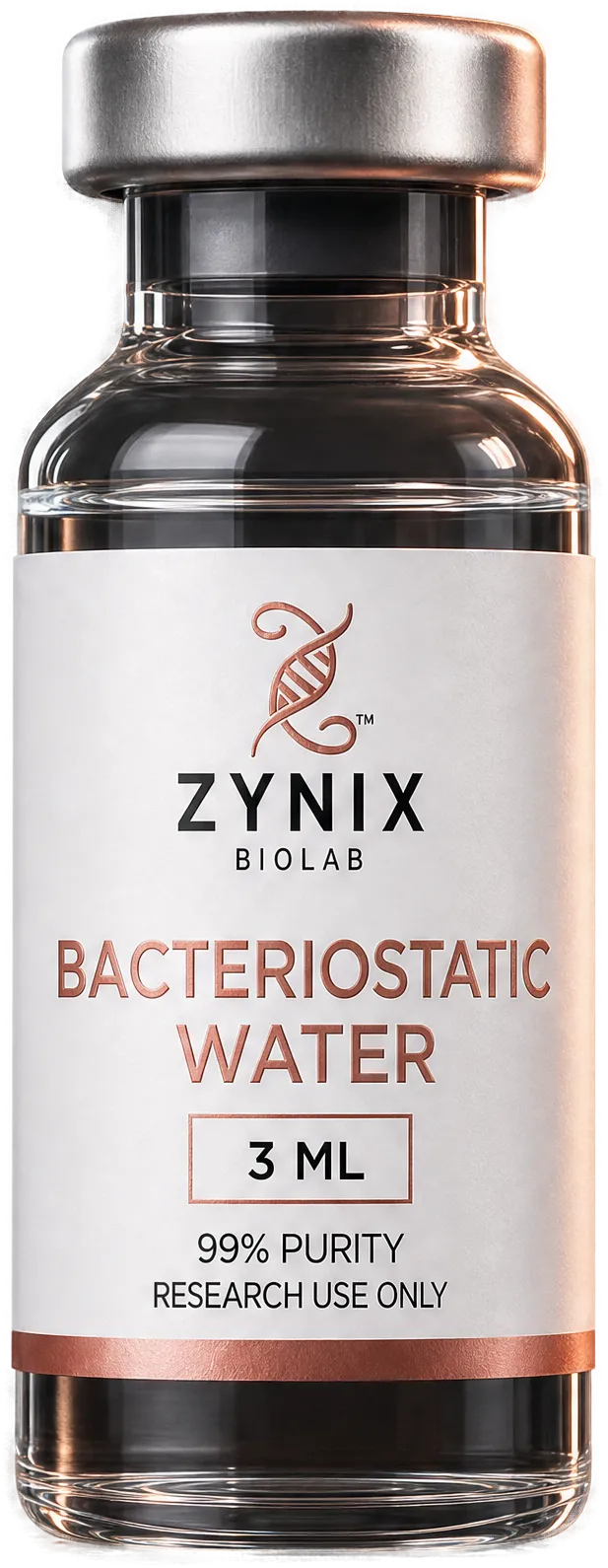
Bacteriostatic water
Diluent
Bacteriostatic Water
Tool
U-100 Insulin Syringe
Tool
Alcohol Prep Pads
Technique

Step-by-step

A general walkthrough of the mixing process. For your exact volumes, use the calculator.

1
Prep your surface
Wash your hands and clear a clean, flat area. Lay out the peptide vial, bacteriostatic water, syringe and alcohol pads before you begin.
2
Swab the septa
Wipe the rubber top of both the peptide vial and the bacteriostatic water vial with an alcohol pad and let them air-dry for a few seconds.
3
Pull the diluent
Draw air into the syringe, inject it into the water vial to equalize pressure, then pull back the bacteriostatic water. Use the calculator for your exact volumes.

Skip the math. The calculator does it for you.

4
Inject slowly through the vial wall
Angle the needle against the glass wall of the vial, not straight down onto the powder, so the stream doesn't disturb it directly.
5
Swirl gently, never shake
Tilt and roll the vial between your palms until the powder is fully dissolved. Shaking can damage the peptide's structure.
6
Inspect before drawing a dose
Hold the vial up to the light and confirm the solution is clear, with no visible particles or cloudiness, before drawing from it.
Avoid these

Common mistakes

Shaking the vial instead of swirling it: vigorous agitation can denature the peptide.

Injecting the diluent stream directly onto the powder. Aim at the glass wall instead.

Skipping the alcohol swab on the septum before each draw.

Guessing the draw volume instead of calculating it: small errors compound fast, so use the calculator.

After mixing

Storage after mixing

Store reconstituted vials refrigerated at 2–8 °C* between uses, away from light.

Once mixed, most peptides remain stable for up to 28 days*, though this varies by molecule, so always confirm against the specific peptide's own protocol page.

Avoid freezing a reconstituted vial; freeze–thaw cycles can degrade the peptide.

*placeholder figures shown for layout review only
FAQ

Frequently asked

Can I reuse a syringe?–
No. Use a new, sterile syringe for every draw and discard it afterward. Reusing one risks contaminating the vial.
What if the powder doesn't fully dissolve?+
Keep swirling gently; most peptides take a little time. If cloudiness persists after several minutes, this general guide doesn't cover troubleshooting beyond the standard technique shown here.
Where do I get my exact numbers?+
This guide covers technique only, with no specific volumes. For your exact concentration, draw volume and syringe units, use the Reconstitution Calculator.
Educational use only. This guide describes a general reconstitution technique for research and educational purposes and is not medical advice. It includes no dosing recommendations; use the calculator for math based on the numbers you provide. Referenced peptides are for research use only.